

What are the benefits of Surgical Vision Correction?
- Improved vision quality.
- Reduction or elimination of glasses/contact lens dependency.
- Rapid visual recovery. Many people experience improved vision within a day.
- Excellent visual quality. Implantable lenses provide sharp, clear vision, often better than glasses or contact lenses.
- Can address presbyopia (loss of near vision with age) and other refractive errors (near or far sightedness, and astigmatism) simultaneously.
What are the different types?
Here at Insight Eye Surgery we offer three types of lens surgery for your vision correction.
- Intraocular Collamer Lens (or ICL) Surgery is mostly suitable for people aged 21–40
- Refractive Lens Exchange Surgery if you are aged over 40
- Refractive Cataract Surgery if you are aged over 60, although cataracts can occur earlier in some people.
Each type of surgery is performed as a minimally invasive day procedure in the operating theatre.
Local anaesthesia with ‘twilight’ sedation is provided to ensure your comfort and relaxation. Follow-up visits are scheduled to monitor healing and vision.
Your guide to Surgical Vision Correction
Surgical Vision Correction, sometimes referred to as Refractive Eye Surgery, is an excellent option if you want a durable solution for vision correction, unlike glasses or contact lenses, which are temporary solutions.
Surgical Vision Correction corrects common vision problems, like near-sightedness, far-sightedness and astigmatism, and can significantly reduce or eliminate the need for glasses or contact lens.
(PDF 1.5Mb)
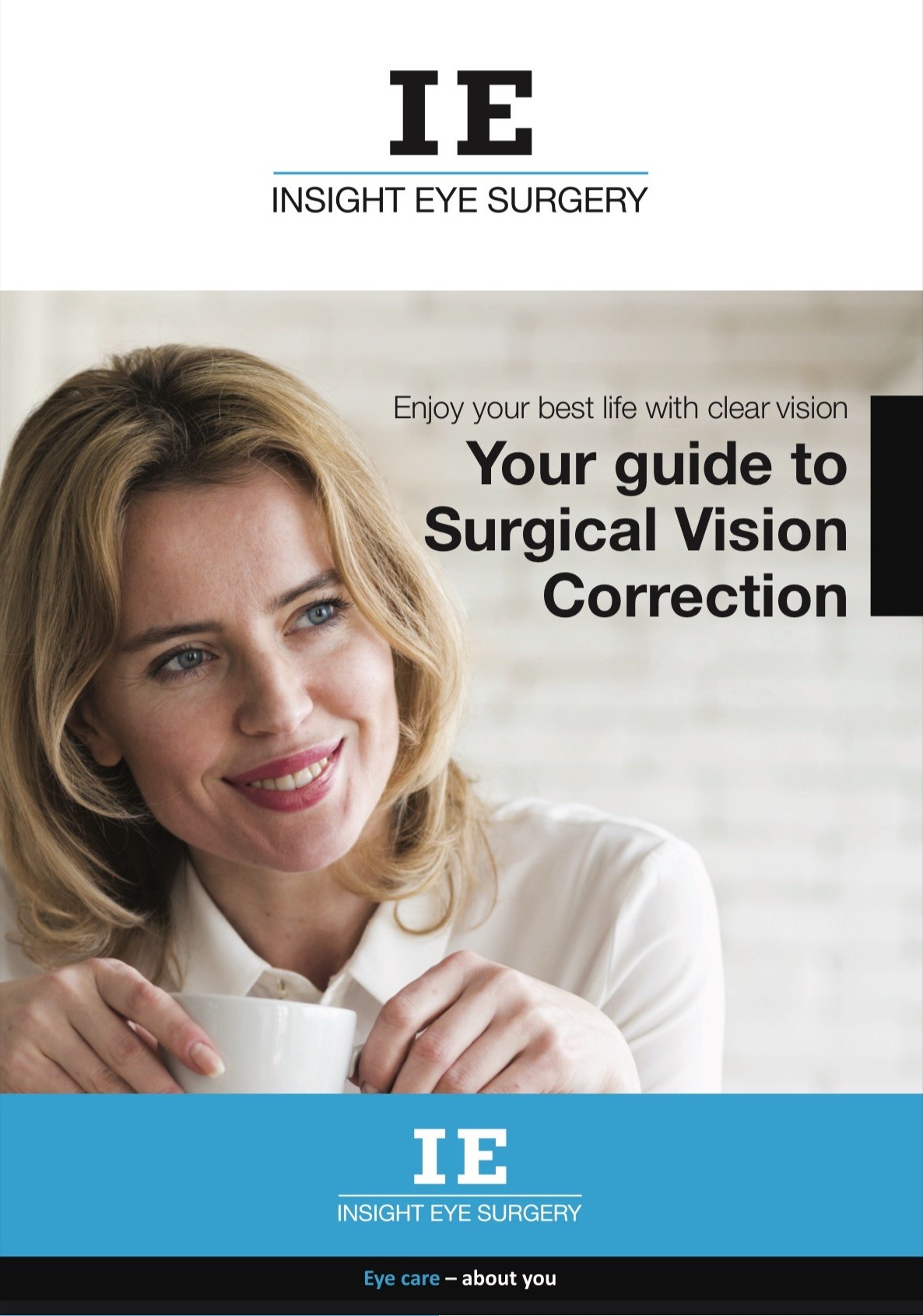
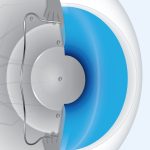
Intraocular Collamer Lens Surgery
Intraocular Collamer Lens (ICL) surgery is a refractive procedure designed to correct vision by implanting a specialised lens inside the eye. This surgery is ideal if you have moderate to high levels of myopia (near-sightedness) or astigmatism and may not be suitable candidates for laser vision correction techniques like LASIK due to thin or dry corneas.
Unlike LASIK surgery, which involves reshaping the cornea (clear window of the eye), ICL surgery preserves the cornea’s structure, minimizing the risk of biomechanical complications like corneal weakening.
The ICL itself is extremely thin and made of a special polymer. It does not alter the shape of your cornea.
The ICL sits in front of your natural lens, so you still have the ability to focus in the distance and at near (accommodation). The ICL is made of a biocompatible material which allows it to stay in your body indefinitely without being rejected and it does not require any maintenance or further treatment once it is in your eye. The lens is invisible and cannot be felt, nor can it be seen with the naked eye. It can be seen by an experienced eye care provider during examination with a microscope.
You may be a suitable candidate for ICL if you:
- are between 21 and 40 years old
- have mild to severe myopia, with or without astigmatism
- have a stable prescription for at least one year
- prefer a reversible procedure, as the lens can be removed if necessary
Talk me through the procedure
A small incision (~2mm) is made on the outer edge of the cornea, and the ICL is inserted through it and then positioned in front of your natural lens and behind the iris (the coloured part of your eye).
Each procedure typically lasts around 15 to 30 minutes, and most people experience improved vision within a few days post-surgery.

The ICL allows you to unlock a life rich with experiences through visual freedom, free from foggy glasses and dry contacts.
Insight Eye Surgery uses STAAR ICLs. To date over 3,000,000 ICLs have been implanted worldwide.
Read more about them at the EVO ICL site here.

Prior to all types of Surgical Vision Correction, your eyes are thoroughly assessed by Insight Eye Surgery’s experienced team. Using advanced imaging technology, the eye is examined and measured to determine the appropriate intraocular lens type.
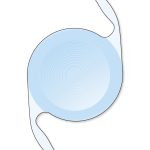
Refractive Lens Exchange
Refractive Lens Exchange (RLE) is a surgical procedure designed to improve vision by replacing the eye’s natural lens with an intraocular lens (IOL). It is often considered for people with high refractive errors, such as near-sightedness, farsightedness, or presbyopia, who may not be suitable candidates for LASIK or other laser vision correction procedures. RLE is suitable for people without cataracts and are motivated to reduce or eliminate dependence on glasses or contact lenses.
The IOL is made of a biocompatible material which allows it to stay in your body indefinitely without being rejected.
You may be a good candidate for RLE if you:
- are over 40 years old, and
- want to correct refractive errors and presbyopia but do not have cataracts.
This approach not only corrects vision but also prevents future cataract formation.
You should have:
- good overall eye health
- near or long sightedness, or astigmatism
- a stable glasses prescription for at least one year.
Talk me through the procedure
A small incision (~2mm) is then made at the edge of the cornea, through which the surgeon gently removes the natural lens of the eye, using ultrasound to break it into tiny pieces for easier extraction. The IOL is then inserted into the eye through the same incision, where it is positioned securely in place. The incision is usually self-sealing, requiring no stitches.


Refractive Cataract Surgery
Cataract surgery can also reduce reliance on glasses.
If you have cataracts, ask our friendly staff for more information about refractive cataract surgery or go to our cataract surgery page here.
How much does Surgical Vision Correction cost?
Insight Eye Surgery provides a full and open estimate of surgery fees before any procedure.
Intraocular Collamer Lens
Cost per eye - $6000
✓ Includes all pre- and post-operative assessments
✓ All premium lenses available without additional fees
✓ Aftercare and after-surgery reviews
✓ All hospital and anaesthetic fees
Intraocular Collamer Lens is a purely private procedure and is not covered by Medicare.
Refractive Lens Exchange
Cost per eye – $5800
✓ Includes all pre- and post-operative assessments
✓ All premium lenses available without additional fees
✓ Aftercare and after-surgery reviews
✓ All hospital and anaesthetic fees
In most cases, Refractive Lens Exchange is a purely private procedure and is not covered by Medicare.
Medicare and Health Insurance with appropriate cover may contribute towards Refractive Cataract Surgery, where there is a reduction in vision quality and function due to the presence of cataracts.
Risks and considerations
While RLE and ICL are safe procedures, in any surgery there are potential risks. Possible side effects and risks include:
- Dry eyes: temporary dryness and discomfort may occur as the eyes heal.
- Changes in vision: some patients may still require glasses for certain activities, such as reading or driving at night. Your eyes can change slowly over time, so your requirement for glasses may change.
- Visual disturbances: some people may experience halos, glare, or starbursts around lights, particularly at night. These usually reduce with time.
- Inflammation: inflammation inside the eye can occur, usually manageable with medication.
- Infection: though rare, there is a risk of infection, which can impact vision.
- Retinal detachment: this is a rare but serious complication that can occur after any eye surgery.
- Need for additional surgery: in some cases, additional procedures may be necessary to correct vision or address complications.
It is not uncommon for the eye to feel gritty and irritable for a few days after surgery. You will be given antibiotic and anti-inflammatory drops to prevent infection and assist with healing. Most people are able to resume normal activities a week after surgery.
Ready to have the life changing benefits of surgical vision correction?
For more information about Surgical Vision Correction or to schedule a consultation, contact us at (07) 3154 1515 or send us an email.
Our friendly staff are here to answer any questions you may have.
Meet your surgeon
Dr Madeleine Adams is an experienced ophthalmologist who specialises in refractive lens and cataract eye surgery providing you with a range of lens-based vision correction procedures.
During your assessment, Dr Adams will discuss the available options to help you find a surgical vision correction approach that suits your individual needs and lifestyle. Your expected benefits and any potential risks will be explained as part of a personalised surgery plan.

Frequently Asked Questions
The procedure typically lasts about 15–30 minutes per eye.
You will experience minimal discomfort due to anaesthesia. Any post-surgical discomfort can usually be managed with over-the-counter pain relievers.
You can resume light activities within a day or two but avoid heavy lifting for about a week.
When you are assessed at our clinic, we will find the best fit for you and your lifestyle.
The purpose of the surgery is to reduce your reliance on glasses as much as possible. There may be some tasks where you feel more comfortable wearing glasses – wearing them will not make your eyes lazy or reduce the effect of the surgery.
We take that into account when we choose the best fit for you.
If you have had ICLs implanted, the lens can be removed or replaced to keep pace with advancing technology and your future needs.